
Calcibond
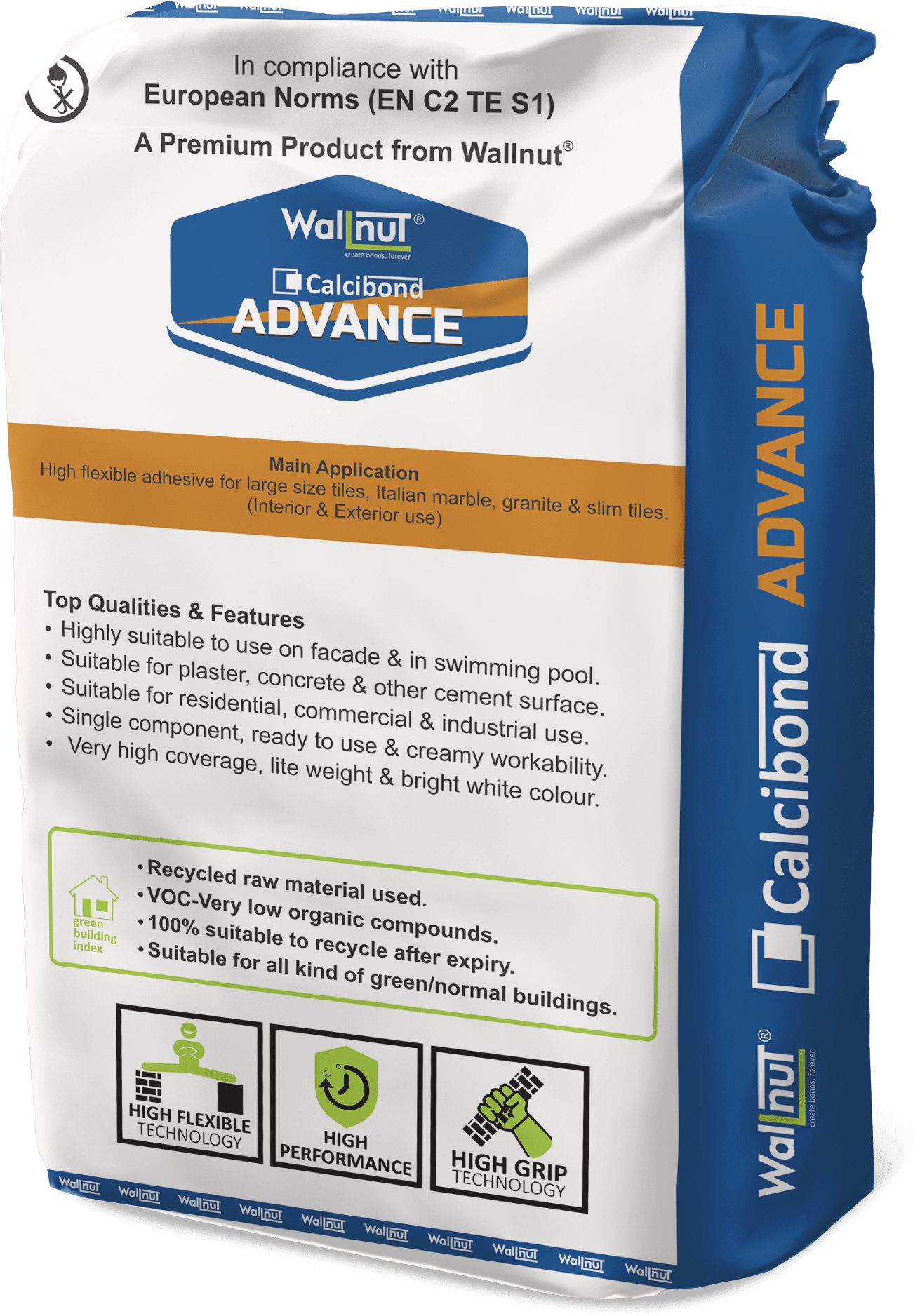
S1 flexible adhesive engineered for high-rise facade cladding, heavy-duty external walls and elevated structures — excellent bond under continuous movement and extreme conditions.
What Makes Advance
Stand Out
S1 flexible adhesive engineered for high-rise facade cladding, heavy-duty external walls and elevated structures — excellent bond under continuous movement and extreme conditions.
Specifically engineered for facade cladding on high-rise buildings — handles wind-load, thermal movement and long-term performance.
High tensile and shear adhesion strength for large, heavy tiles on vertical surfaces — prevents sagging and long-term failure.
S1 deformability handles continuous movement in facade systems — thermal cycling, building settlement and wind pressure.
Performs in extreme temperature ranges — coastal heat, monsoon humidity and cold mountain conditions.
Excellent moisture resistance for coastal and high-humidity environments — ideal for seashore buildings.
Long open time for large-format facade cladding — allows correct positioning of heavy stone slabs on scaffolding.
Rapid initial strength gain to support heavy tiles and stones on vertical surfaces without temporary support.
Workable consistency suitable for site conditions — performs in direct sun, coastal air and dusty environments.
Technologies
Engineered for external facades — wind load, thermal and moisture
High shear strength for large heavy tiles on vertical surfaces
Handles building movement, thermal cycling and settlement
Superior moisture and salt-spray resistance for coastal projects
Where Advance Performs
External cladding on high-rise residential and commercial buildings
Marine and coastal environments — salt spray and high humidity
Large commercial exterior wall cladding with heavy format stone
Podium level and terrace tile applications with heavy format tiles
Public infrastructure — bridges, underpasses, railway stations
Heavy natural stone cladding on all types of building structures
How to Use Advance
- Fully cured concrete (all types)
- Cement render on external walls
- Blockwork and brickwork with render coat
- Steel frame with cement board (primed)
- Large format porcelain and ceramic tiles
- Natural stone slabs — granite, quartzite, travertine
- Thick-bodied heavy tiles for facades
- Engineered stone panels for cladding
- Minimum 6 weeks cure for concrete and render
- Surface must be free from movement-inducing contamination
- Apply expansion joints every 3–5m on exterior walls
- Prime highly absorbent surfaces
- Add to clean water using slow-speed stirrer
- Mix to homogeneous lump-free consistency
- Allow 5 min slaking then re-stir
- Work within pot life — do not add water
- Use 12mm or larger notch trowel for large format tiles
- Back-butter all tiles for full coverage on facades
- Ensure minimum 80% adhesive contact on all exterior applications
- Follow movement joint provision per standard
Ideal working temperature +5°C to +35°C. Avoid applying in direct sunlight or on very hot surfaces.
Work within the pot life after mixing. Use T class extended open time for large or complex layouts.
Match notch trowel size to tile format — 6mm for small tiles, 10–12mm for large format tiles.
Lift a tile to verify adhesive coverage — minimum 65% for floors, 80% for exterior and wet areas.
Do not pre-wet the substrate with water. Ensure surface is clean, dry and free from contamination before applying adhesive.
Technical Data
Coverage varies depending on substrate flatness, tile format and application method. Use the Product Calculator for exact estimates per project.
🧮 Open Calculator →More from Calcibond
 S1 Flex
S1 flexible for large format tiles, marble and underfloor heating
View Product →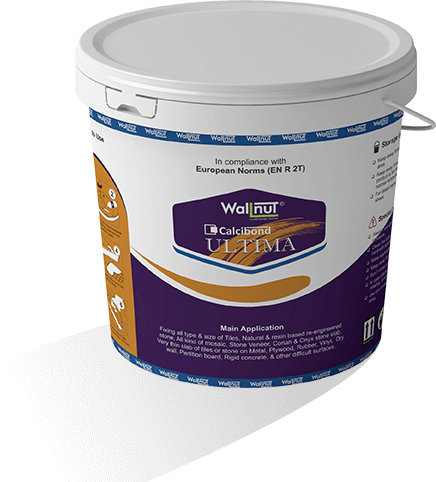 Premium
2-part PU for the most demanding facade and metal substrate applications
View Product →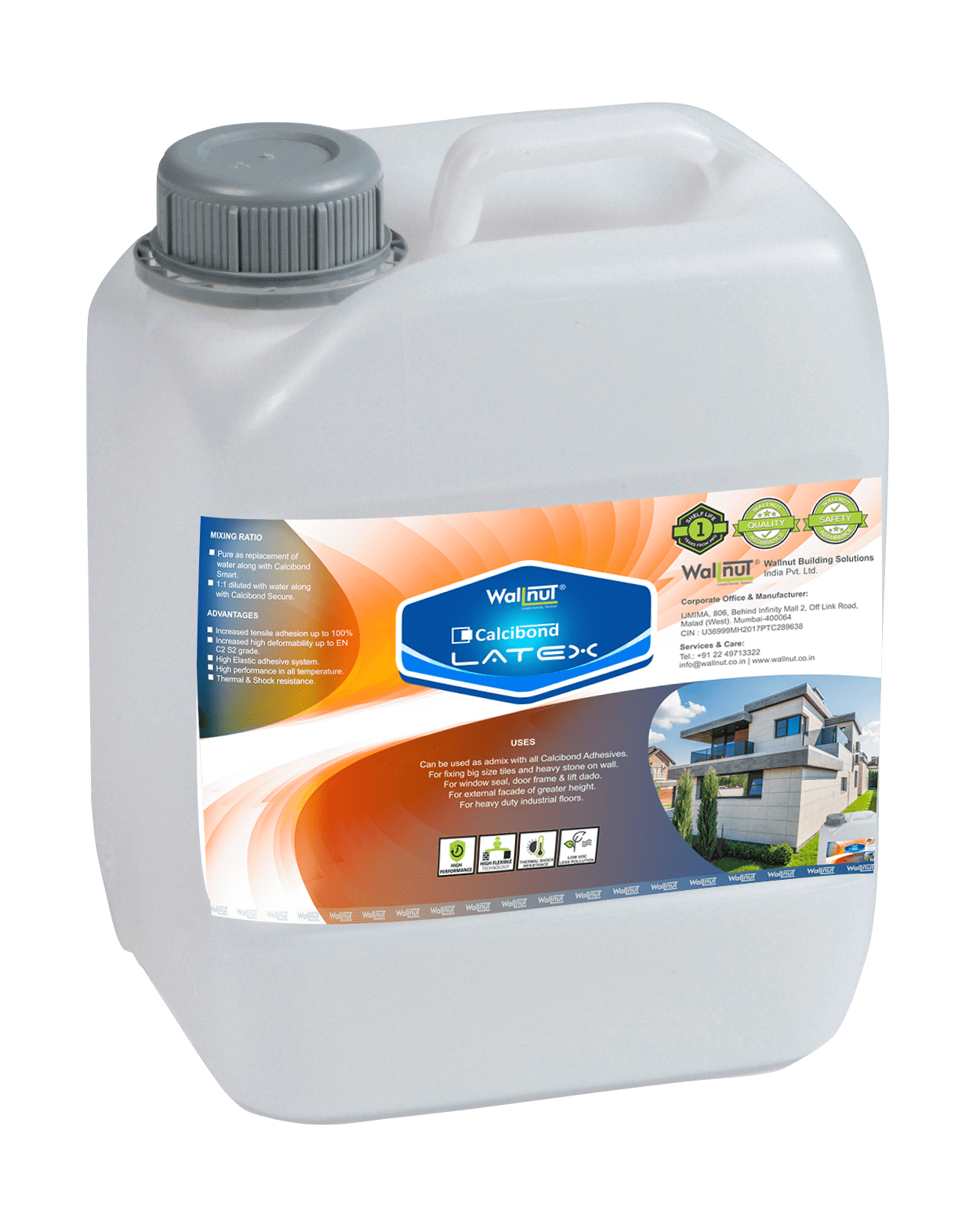 Admix
Admix
Add Calcibond Latex to boost flexibility and bond strength
View Product →Ready to Build
with the Best?
Download the full Technical Data Sheet, use our product calculator, or speak directly with our technical team.